Reading Time: < 1 minute

The sun has finally started to shine on the Northeast and people are once again flocking to the beach. Here’s a top 10 list of gadgets worth checking out for planning and making your next trip to the beach.
liquid image

1. Long or short board? Learn the conditions before you leave home…
Quicksilver Moondak watch and TideGraph iPhone application (source: Bitness)

2. SPF 30 or 50?
UV Monkey (source: Coolest Gadgets)

3. Calvin Klein USB Sunglasses
(source: Geeky Gadgets)

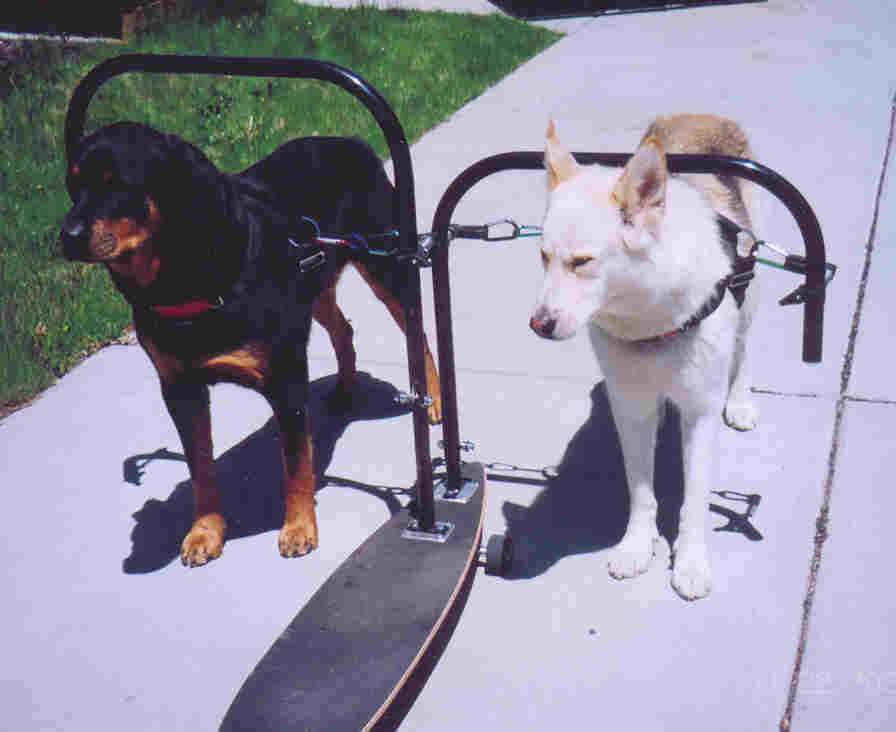
4. Avoid the rising cost of gas and beach parking…
Dog powered scooter (source: Bitness)

5. You found your spot on the beach, but aren’t looking for any neighbors…
Ecoblaster rechargable air horn (source: craziestgadgets.com)

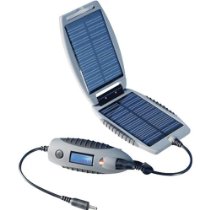
6. Keep your MP3 player and cell phone running all day…
Powertraveller portable and solar chargers (Providence Gadget Examiner)

7. Give the boys (or the girls) a little sunshine too!
Solar tan-thru suits (source: Solar Tan Thru Suits)

Just because you decided to get wet doesn’t mean you have to leave the gadgets hidden under your baseball cap on the towels (good hiding spot)…
8. Waterproof MP3 player and headphones (source: H20 Audio)

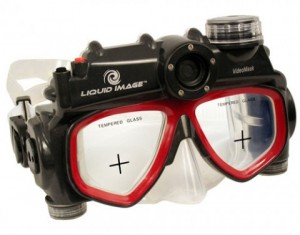
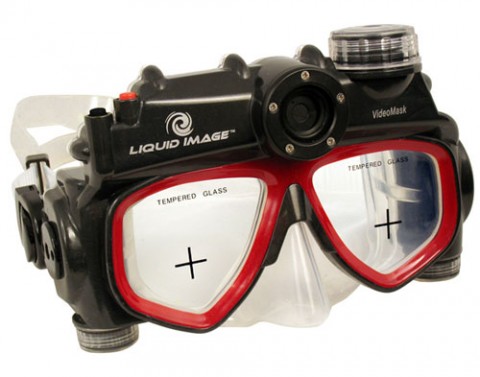
9. Liquid Image UDCM310 diving mask (source: SlashGear)

10. Before you pack-it-in take one last stroll around the beach and let some kook from Jersey pay for your chowder and stuffies…
Metal detecting sandals (source: Providence Gadget Examiner)

Posted by: Lawrence

Reading Time: 2 minutes

Motorists and cyclists are supposed to share the road and obey the same laws. All too often however, we see cyclists riding against a one way, blowing through red lights or failing to signal. Meanwhile motorists tailgate cyclists, open car doors without looking and crowd cyclists to the curb with seemingly little regard for their safety.

LightLane

LightLane

In 2007, 136 cyclists were killed and 16,000 injuredand that’s just in Britain! Cyclists have to be visible, aware of who they’re sharing the road with and ride under control in straight lines to survive.

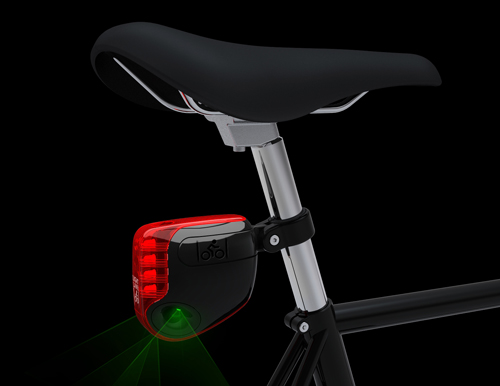
A company called LightLane hopes to provide that visibility with a seat post mounted device that projects two stripes on either side of the rider, creating a kind of virtual bike lane. Using DPSS Green Lasers, a laser reputed to be highly reliable, stable and efficient, the LightLane is best used in poor light conditions when cyclists perhaps need it most.

Equipped with a rechargeable Li-Ion battery, the LightLane lasts only 3 hours and is compatible with universal mobile-phone chargers. Ideally the LightLane would draw it’s power from the bike itself, something I suspect we’ll see down the road.

LightLane started out as a concept in a design competition (which it did not win), but the inventors were enthused by on overwhelming response and set-out to make it a reality. It’s currently a proof-of-concept prototype with an unknown release date or price, but we’ll keep you posted.

Posted by: Lawrence

Reading Time: 3 minutes

There is no denying our infatuation with gadgets is taking it’s toll on the environment. By following the three R’s (reduce, reuse, recycle) that have become synonymous with ‘green’ living, this article helps inform gadget enthusiasts what we can do to tread lightly.
recycle your gadgets

Reduce: energy consumption

While some gadgets can have a positive impact to the environment (for example a GPS device can help reduce fuel consumption), most do not. Energy consumption by gadgets is putting the world on track for 200 new nuclear power plants by 2030! Here are two suggestions on how to take action…

1. Be aware: Google PowerMeter

Tells you how much it costs to make toast, what your TV addiction means to your bank account and which appliance is the biggest energy hog of the bunch (and may need replacing). You can also compare your energy efficiency to similar homes in your neighborhood. Check with your utility company or visit Google for more information.

2. Seek renewable energy sources: Solar, hydro, wind and hand cranks are making leaps and bounds in providing viable energy alternatives to gadget users.

Solar – Harness the suns energy, it’s better for your wallet and the environment
Hydro – Vena Micro-Hydro turbine, take it along on your next campout
Wind – Wind power generators are popping-up in fields, on rooftops and now on handlebars!
Hand cranks – becoming more common on flashlights and radios, but you can also purchase a standalone hand crank to generate power your other mobile gadgets

Reuse: older or broken gadgets

Even with a perfectly good working Blackberry or iPhone, we want the newer model before anyone else – no matter the cost to our bank account or to the environment. That there is nothing wrong with our existing phone doesn’t stop us from replacing it post-haste. A site called ReCellular states that “One in three Americans will replace their cell phones this year, adding to the 500 million unused phones currently waiting to be discarded or recycled.”

Self proclaimed electronic sustainability firm ReCellular allows you to buy, sell and donate old cellular equipment. You can also set-up a donation program through ReCellular in your area as a way to generate revenue while at the same time helping the environment.

myGreenElectronics is another option for reusing or recycling old electronic equipment, including PCs. Through relationships they’ve established with charities, community programs and schools, you can sell or donate equipment no longer needed. Check out the energy calculator on myGreenElectronics and see how much you’re spending to run your gadgets.

When a gadget no longer works many of us toss it and get the new one. But a growing number of people are attempting their own repairs, or creating new devices using the parts contained in broken gadgets. There are groups popping all over the world called Hackerspaces. These community-operated physical places allow people to meet and work on projects together. You’re only limited to your imagination as to what you turn an old cellphone, LCD, washing machine and weed whacker into. Throw those broken gadgets in a box and head down to a Hackerspace near you.

There are magazines and endless links through Google for ways to make use of still functioning components in otherwise broken gadgets. Reuse what you have by selling, donating or converting it into a new gadget entirely.

Recycle: old or broken gadgets

In the United States, about 130,000 computers are thrown out every day. According to the US Environmental Protection Agency (EPA), approximately 18 percent (414,000 tons) of discarded TVs and computer products were collected for recycling in 2007. Many of these devices contain lead, mercury, cadmium and brominated flame retardants which have to be properly discarded. These same devices also contain precious resources such as copper, gold, silver, platinum and palladium which businesses seek to recover for financial gain.

Because some of today’s gadgets are too difficult to open to even attempt repair, many elect to simply discard and replace. There are sites that can help you figure out how to attempt a repair yourself, or you can opt to sell or give away broken gadgets. If you can’t or don’t want to tinker yourself, you may even be able to sell your gadgets on Gazelle or BuyMyTronics or give them away in your local Craigslist’s ‘Free’ area.

Before you toss that old TV, phone or iPod away, visit EPA eCycling to learn about recycling programs in your area. For phones don’t forget to cancel service, delete contacts and (Paris Hilton, this is for you) delete pictures and other personal and sensitive information. Some recycling centers will offer to do this for you for a small fee, but it’s a safer bet if you do it yourself.

Reusing and recycling electronics conserves natural resources, avoids water and air pollution and reduces greenhouse gas emissions created when new products are manufactured. Keep it clean – go green!

Reading Time: 2 minutes

In the Summer I usually surf before 7 a.m. or after 5 p.m. because the parking lot is open to non-residents. These are also prime time hours to find the treasure hunters, typically older folks with metal detectors strapped to their arms, large headphones on their heads and clutching onto metal strainers as they comb the beach in search of loose change, jewelry and watches.

I always ask what they’ve found that day and what’s the best thing they’ve ever found. I’ve heard stories of wedding bands, diamond earrings, Rolex watches and other treasure, but more often than not it’s spare change, bottle caps and trash. As a way to appease the treasure gods they almost all properly dispose of the trash. For jewelry and watches most claim to turn-in their booty to the police, where after so many weeks of it going unclaimed, it goes back to the treasure hunter guilt-free.

metal detecting sandals

I’ve always wanted to search the beach for lost treasure, but I’ve always felt that was an older persons hobby and by the way, a good form of exercise. For a youngster such as myself it seems somewhat desperate and overly nerdy, but I think I have found the solution in a pair of covert metal detecting sandals offered by Hammacher Schlemmer.

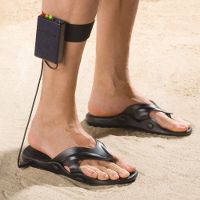
With a copper coil built into the right sandal and a battery pack/receiver that straps onto your leg, you have sufficiently disguised your true passion with something more along the lines of a parolee simply enjoying his or her newly found freedom by taking a stroll on the beach. Able to detect metal objects as deep as two feet, some might even mistake your fancy footwork as you hone-in on an object as a freedom dance (and they are none the wiser).

The leg unit also flashes, vibrates and buzzes as you happen upon the presence of metal. Be sure to alert concerned onlookers that it’s OK, you’re within your legal boundary and that gigantic hole you’ve started digging isn’t a hideout. Powered by a single 9-volt battery, the Metal Detecting Sandals are $60, a paltry price to pay for your dignity and possibly a Rolex.

Posted by: Lawrence

Reading Time: < 1 minute

In the past week I’ve had 4 people tell me how grateful they were that I turned them on to Steepandcheap.com. Steep and Cheap sells gear (I’d describe it as general outdoorsy gear) one item at a time until it’s either sold out or times-out, at which point it’s on to the next item.

Steep and Cheap mostly sells-out because the deals are good – usually in the 60% off or more range. Act fast if you see something you like! With back-to-back deals all day long it can get addicting and there’s a number of ways to stay tuned-in to deals that are poppin’ (RSS, sidebar gadgets, plug-ins, email, IM and soon an iPhone app).

I’ve been a Steep and Cheap customer since they started and have seen the concept grow wildly. Sister sites now include…

  • Chain Love for biking gear, including BMX and Mountain biking
  • Bonktown is more for the road cycling enthusiast
  • Tramdock for you two-plankers and especially good deals off-season
  • Brociety caters to snowboarders mostly, again… good off season loot to be had
  • Whiskey Militia is so aggro you probably already know they sell skate and surfing gear. Get some.

Check them out let me know what you think. I’ve only had great experiences with them, even returning gear I decided I didn’t need – they make it easy.

Posted by: Franz

Reading Time: 2 minutes

Growing up, I was always a fan of The Hulk cartoons and TV show. My cousin Joe Harnell wrote the theme song for the TV show (song title: ‘The Lonely Man‘) and was kind enough to send me an autographed picture of himself, as well as Bill Bixby and an enraged Lou Ferrigno as the Hulk right behind him.

In The Incredible Hulk movie, Bruce would try to keep his rage under control using breathing exercises and checking his Polar HRM to make sure he didn’t exceed the heart rate that would trigger the gamma reaction. Despite his best efforts, Bruce lost control and flew-off the handle more than once (the movie would have sucked if he didn’t right?) and after raging for untold hours, he’d wake-up somewhere unfamiliar, miraculously still wearing pants.

Had Bruce been wearing the relatively new Polar RS300X he’d benefit not only from a foot pod to know how far he’d strayed (in one scene I think he ended up in Guatemala), but also GPS to get all the essential information an inquisitive scientist yearns for (speed, distance, max heart rate, etc). The Polar RS300X is compatible with S1 foot pod™ and G1 GPS sensor and the data you collect can be transferred to polarpersonaltrainer.com with optional Polar FlowLink™

However, to equip the RS300X with both the GPS and foot pod options you’ll spend about $440 (RS300X – $170, G1 GPS – $140 and S1 Footpod – $130). This is more expensive than the $170 Garmin 305, which has GPS built-in and can be used with a $75 footpod. Not only does the Garmin offer the same functionality for about $200 less, but you’ll also have less gear strapped to your body.

Suunto also has solutions to consider, but for my money I like the Garmin. Let me know what you think, but don’t make me angry. You wouldn’t like me when I’m angry…

Posted by: Lawrence

Reading Time: < 1 minute

  1. Siesta Beach in Sarasota, Fla.
  2. Coopers Beach in Southampton, N.Y. (Long Island)
  3. Hanalei Bay in Kauai, Hawaii
  4. Coronado Beach in San Diego
  5. Hamoa Beach in Maui, Hawaii
  6. Main Beach in East Hampton, N.Y. (Long Island)
  7. Cape Hatteras in Outer Banks, N.C.
  8. Cape Florida State Park in Key Biscayne, Fla.
  9. Coast Guard Beach on Cape Cod, Mass.
  10. Beachwalker Park on Kiawah Island, S.C.

What about your favorite beaches? I know Coast Guard Beach and think it compares to a few other New England beaches I frequent.

Source: NY Daily News

Reading Time: < 1 minute

However unintentional, this is shaping up to be ‘Green Week’ on Bitness. Google.org just released a list of partners (typically power companies) from all over the world, who will install ‘smart meters’ that interface with and provide data to Google’s PowerMeter gadget.

The PowerMeter Gadget can tell you how much it costs to make toast, what your TV addiction means to your bank account or if which appliance is the biggest energy hog of the bunch (and may need replacing). You can also compare your energy efficiency to similar homes in your neighborhood. Unfortunately, not every utility company is working with Google.org, but they plan to expand the roll-out of Google PowerMeter later in 2009.

Here’s what one user had to say…

“I put the sound system, DVD player and VCR on power strips. I learned that my computer wasn’t sleeping properly, and started putting it on Standby when not in use. I cleaned the coils in my refrigerator (which hadn’t been cleaned in 15 years! Yikes!). Before I made these changes, my baseline load was around 360 W, afterwards, it was slightly under 200 W – this will save me about $150 / year.”
Alec, Mechanical Engineer

https://youtube.com/watch?v=6Dx38hzRWDQ%26hl

Posted by: Lawrence

Reading Time: < 1 minute

Apparently, owning a lot of gadgets is as bad for your bank account as it is for the environment. According to an article in the Telegraph, the International Energy Agency (IEA) predicts our penchant for cell phones, iPods, large screen televisions and other gadgets is putting the world on track for 200 new nuclear power plants by 2030.

The article states that in 2030 our gizmos will require about 1,700 terawatt hours of power to run, or three times today’s amount and equal to the current combined domestic energy consumption of the United States and Japan!

There are better, more eco-conscious ways to power your gadgets using solar power, hydro power, Pull-Cord Generator and even dog power!

Do your part to help the planet; Recylce old gadgets, look for alternative energy solutions, buy energy efficient appliances and use the energy saving features that come with your home computers and laptops.

Posted by: Lawrence

Reading Time: < 1 minute

I’ve had an on again, off again love affair with lockers my whole life. In Middle School I graduated from a cubby hole to a locker that wouldn’t lock (an ‘er’ if you will). My Middle School wasn’t in an ideal location, drug deals went down right outside our doors, sometimes ending badly. My brand new CB vest (the cool kind with suede around the shoulders) was stolen from my locker the first time I wore it to school.

In High School we had lockers that locked. My freshman year locker had a long compartment where I kept my coat and skateboard and a small, square upper compartment for books. To me this was like my own piece of protected real estate. I made use of all 5 cubic feet of that locker, decorating the inside of the door with pictures of my heroes like Steve Caballero and Mike McGill.

In the next series of posts I’m going to build a gear locker to store my snowboard, boots, climbing rack, wetsuit and other gear. I’ll share the dimensions, materials and cost to build. Stay tuned…

Posted by: Lawrence

Reading Time: 2 minutes

I always thought it would be cool to roll around in my red Kenworth Semi with my best pal Bear the chimp. Fantasies of BJ McKay aside, having a primate for a best friend maybe isn’t as cool as I imagined. Not only is hurling feces around uncool, but ever since Travis the chimp attacked a woman in Connecticut last February, the government banned owning primates in the USA.

powermonkey eXplorer

Recognizing a void whereby American’s can not own a Gorilla, a Chimp or a Monkey, Powertraveller aptly named their product line so you could not only lay claim to owning a monkey, you can even carry one around in your pocket.

Powertraveller’s portable power products are available as standard chargers which you pre-charge and take with you and solar chargers used to charge devices anywhere there is at least moderate sunlight. The full line in a nut shell…

For my needs, the powermonkey and the powermonkey eXplorer fit the bill. Consisting of a small charger and solar slave, the powermonkey eXplorer has an LED on the charger that shows when it’s charging as well as how much charge is left. When kept in just 6 hours of full sunlight, the solar slave will charge the battery/charger pack enough to refuel an iPhone three times. Adapters for power sockets around the world are included in a carry bag. Also provided are adapters for iPod, PSP, mini-USB, standard Nokia and Sony-Ericsson phone charger attachments and many more.

Posted by: Lawrence

Reading Time: 2 minutes

Triathlon Credit Crunch Series: Swimming | Cycling | Running

Running is a pretty inexpensive discipline anyway, once you get past the shoes. My advice: don’t skimp on the shoes. Find a good running shop that looks at your running stride (maybe even videos you for a few minutes) and makes recommendations based on what they see and discuss with you. Try on a few different pairs, and make sure you get the right shoes.

Elastic Running Laces
Available in a variety of bright, neon colors or some classic colors, put these on your shoes and you have just shaved 30 seconds or so off your next race time in T2 without having to know anything about Lactate Thresholds or heart rates! These are also ideal for doing brick sessions and practicing transitions in your training. And, elastic laces make it much easier for me to change my shoes quickly, for example, when I cycle to work with cycling shoes, but I don’t want to walk around in my cycling shoes and ruin my cleats when I get there.

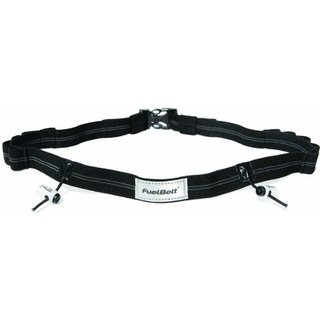
Race Belt
For classic black or a choice of red and pink (hey, Team TBB races in pink, so don’t tell me that pink isn’t tough or cool or hard-core).

It just makes life so much easier to be able to slide your number around to your back on the bike, and then slide it around to the front on the run, rather than pinning numbers to your top. And ease of use it what it’s all about on race day, thinking about setting new PBs and not the safety pins you’ll need for your race number.

Fuel Belt
The Nathan Triangle Insulated Angled Holster Waist Pack is my favorite of the fuel belts for taking on longer runs. It has a good-sized water bottle holder (which is compatible with standard-sized water bottles for the bike), a zippered pocket to hold a house key or whatever you need to take with you, and is more adjustable than other products I have tried. Generally, Nathan seems to make a lot of different products that are well-thought out and comfortable.

Don’t neglect the importance of hydration and fueling on those longer sessions (for me, anything longer than 60 minutes) or higher intensity sessions, so get into the habit of carrying something with you on the run. You might even find yourself out on a race course where they don’t have any water stations, so you might want/need to wear a fuel belt in a race.

Final pointer on inexpensive ways to run better: run barefoot. It’s an area full of controversy and disagreement, and I for one am not advocating that you never put on running shoes again. But, find a nice grassy field (even better a not-very-steep grassy hill) or a beach, and run without any shoes on for a few sets of strides or short drills. You will use more of the small muscles in your feet and lower leg, and develop better sensitivity in your feet.

Posted by: Robert

Reading Time: 2 minutes

Triathlon Credit Crunch Series: Swimming | Cycling | Running

I’m a big fan of looking for simple, cheap ways of training and racing better. For example, train well all winter on a heavy, old bike so that you get stronger and faster, instead of thinking that buying a new P4 is going to make you a faster, stronger rider instantly. NOT that I would turn down a P4 (or anything with the name Cervelo on it) if it showed up on my doorstep. But, my doorstep isn’t holding its breath and, until Santa answers my letters, I will stay focused on the great little bits of gear that help me train better, get faster, stay focused and not break the bank:

Aero Water Bottle
The bottle and you’ll need the mounting system.

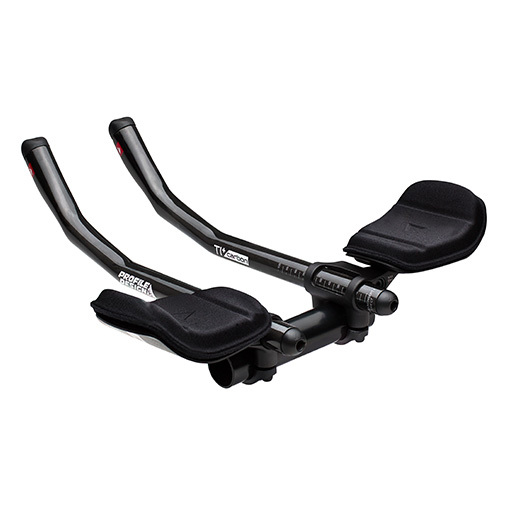
If you’ve got Aero bars or a TT set-up on your bike, then I highly recommend an Aero bottle. Some people hate them and say they get in the way, others say they looks funny on the front of your bike, but I love them. You stay tucked in your aero position, you just lean forward a little and grab the plastic straw with your teeth and take a sip whenever you need it. Yes, you sometimes get a face-full of water (or sports drink, yuck!) if you hit a bump (the plastic yellow scrunchy is supposed to prevent that, but it doesn’t stop it completely). But I think the benefits of staying hydrated on the bike without breaking your aerodynamically streamlined position or fumbling around for your water bottle are worth the drawbacks.

Cycle Computer with Cadence 
This is the one I have been using on four of my bikes (TT, road bike, hybrid, mountain bike) for the past couple of years.

I like it because, (a) I’ve GOT to have something that measures cadence, (b) I had a wireless one and the battery was always dying or there were problems with the unit reading the sensor and it was more hassle than it was worth, (c) the cadence and speed sensors are mounted on the rear wheel which means I can use everything on my turbo trainer. I also have found these very easy to use and pretty reliable (tested for hours and hours in the rain, for three English winters now). Sometimes you have to fiddle around with them to make sure the contact points are connecting on the handlebar mount, but I usually just click through all the settings (about 8 clicks until it comes back to Cadence) and then it’s fine.

Yes, I definitely want to train with a power meter and some day I will upgrade, but that’s another topic. But, for now, train with cadence and an inexpensive heart rate monitor (you may have to splash out on a reliable VO2max test for this to be useful, though) and you’ll be on your way to massive improvements.

Posted by: Robert

Reading Time: 2 minutes

Triathlon Credit Crunch Series: Swimming | Cycling | Running

I’m a big fan of looking for simple, cheap ways of training and racing better. For example, train well in your old wetsuit that has a few tears in it (and bring it to the pool with you occasionally during the winter, show it a good time) rather than go out and buy a new one at the first chance. NOT that I would turn down a Vasa Trainer if someone wants me to road-test one for a few months, but until then, here are some less expensive things to consider:

Aquasphere Goggles
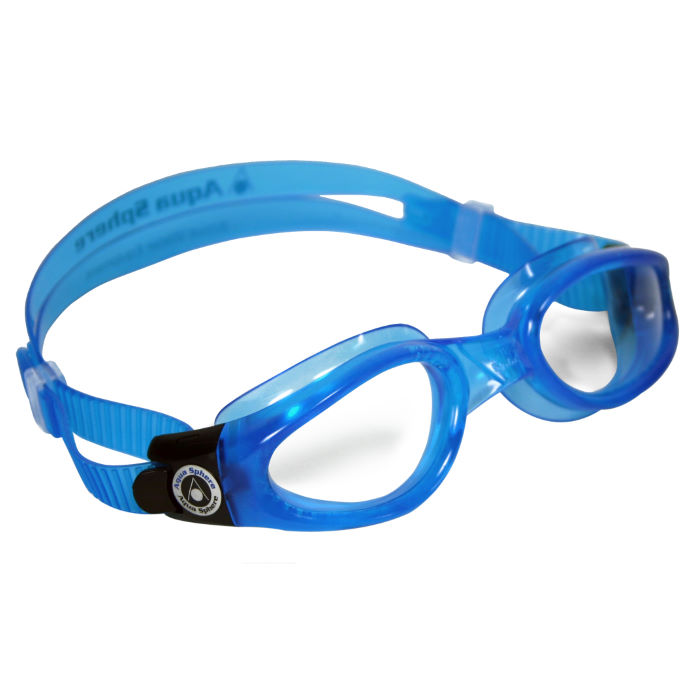
Kaimans are probably my favorite. I mean, I have about 7 different pairs of goggles and they all work fine, keep out the water and all that, so I don’t care THAT much which pair I’m wearing on any given day as long as they don’t leak or hurt my eye sockets. But, the Kaimans are that little bit more comfortable on longer swims and provide the extra peripheral vision that you need in open water swimming. So, when I’m being fussy those are the ones I reach for.

I also have a pair of Seal XPs, which are very comfortable and have an even wider range of vision. They’re a little bulky and large on the face, but also very good for longer swims in open water.

Being able to swim straight in open water is probably the best and quickest way to ensure you get faster swim times in your open water races. Surely, being comfortable and being able to see a little more clearly will help you achieve that, right?

Silicone Swim Cap
This one comes in a wide range of colors.

I like these swim caps more than the ordinary, latex ones, because I find them easier to get on and off, and they keep my head a little warmer in the cold, British waters I’ve been swimming in (we usually wear two caps, anyway).

I see very hard-core guys wearing neoprene swim caps, and they look even warmer and much harder to have knocked off your head in the mass-start-feeding-frenzy at the beginning of a race.

Basically, if you wear something that is more comfortable, easier to use, and encourages you to train more, then it’s GOT to be making you a better athlete.

But, remember, train as you mean to race. Most races will require you (men and women) to wear a swim cap, so get lots of practice wearing a swim cap when you train. Don’t leave it until race day to try putting on a swim cap quickly and comfortably for the first time. Do that with all your equipment, train with it well in advance of any races you place to use it in, and don’t change your equipment at the last minute or try something new in a race.

Now, get out there and do some drills, work on your technique, swim more often and get some good coaching. Swimming is perhaps the toughest of the triathlon disciplines to see dramatic improvements, not least because you never really get to see yourself doing it. When running, sometimes we can see our shadows or our reflections. The same with biking, so it is a little easier to check our form and technique in those disciplines. But, unless you have access to an Endless Pool or someone to video you underwater, swimming is about feeling the difference, and that can be much harder to achieve.

Posted by: Robert

Reading Time: < 1 minute

Wouldn’t it be great if all our runs were like this? Of course, you know that some of that static stretching he does at the beginning of the clip isn’t really “correct”. Warm up with some dynamic movements before the run, then cool down with more static stretching after the run.

Sorry, just had to add that note in there. Now enjoy:

Posted by: Robert